
Did you know that over 90% of designers now depend on AI for everyday tasks? It’s a staggering figure that shows just how deeply artificial intelligence is embedded in modern workflows. But in 2026, AI web design has moved far beyond simple image generation or content suggestions. We're witnessing a fundamental shift from automation to genuine intelligence.
Websites are becoming living, breathing environments that adapt in real time. The focus is no longer just on building a site faster, but on creating an intelligent digital partner that anticipates user needs and optimizes its own performance. The age of the static webpage is officially over.
The Rise of the AI Co-Pilot and Agentic UX
The biggest change in AI web design is the move from reactive tools to proactive agents. This concept, known as "Agentic UX," is where AI systems don't just wait for your command; they take autonomous action to complete complex, multi-step tasks on a user's behalf.
Think of it as the ultimate assistant. Instead of clicking through a five-step checkout process, a user might simply tell an AI agent, "Book me a flight to Tokyo for next Tuesday," and the agent handles the entire transaction. This is why 88% of business leaders are increasing their AI budgets to build these agentic capabilities.
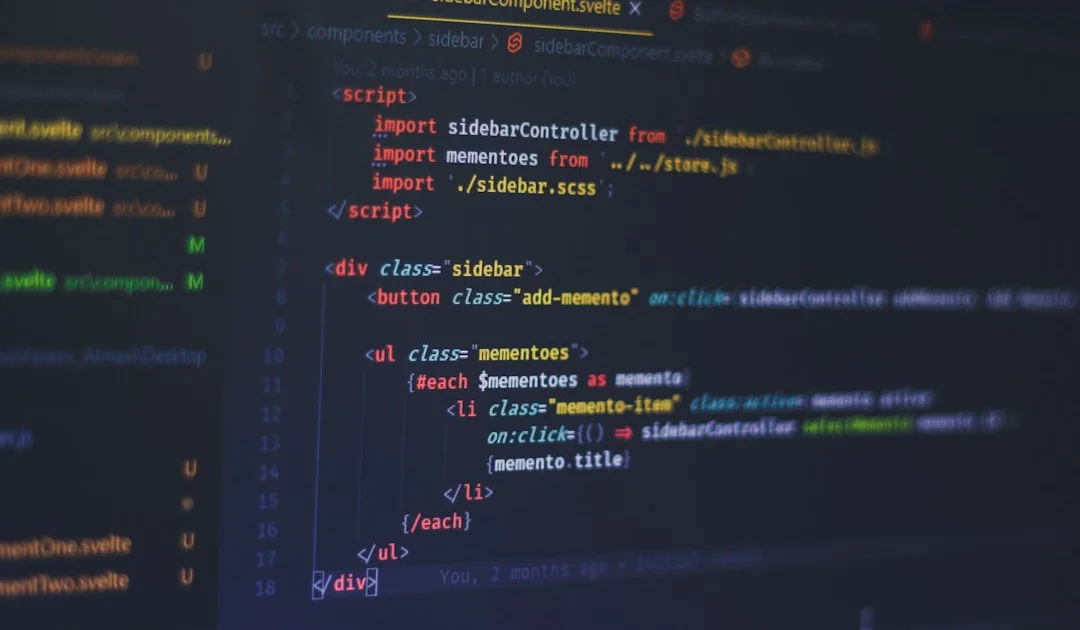
Microsoft's vision of AI as a "co-pilot" is becoming a reality. Developers are already using what they call "vibe coding," where they describe a desired outcome in plain English and an AI assistant like GitHub Copilot writes the code. This approach is giving developers a productivity boost of around 30%, with some reporting they complete tasks 55% faster.
Hyper-Personalization Is Now the Standard
Personalization in 2026 is much more than just greeting a visitor by name. Modern websites use AI to adapt their content, layout, and even calls to action in real time based on a visitor's behavior. The goal is to predict what a user wants before they even know they want it.
AI observes clicks, scroll depth, and how long a user stays on a page to constantly fine-tune the experience. For one visitor, the homepage might highlight case studies. For another, it might feature product demos. This creates a smoother, more intuitive journey that feels uniquely tailored to each person.
This level of personalization is becoming a core function of modern platforms. Companies like Webflow Studio have seen user engagement increase by 58% on booking platforms that use AI-driven experiences. It’s a powerful demonstration of how adaptive design directly impacts business results.
A New Generation of Smarter AI Design Tools
The tools we use are evolving just as quickly as the concepts behind them. The interest in AI-powered website builders has jumped by nearly 50%, and it's easy to see why. These platforms are incredibly powerful and accessible.
For Ideation and Design
Tools like Uizard can turn a hand-drawn sketch into an editable digital wireframe in seconds. For brainstorming, Mixboard acts as an AI-powered whiteboard that helps organize ideas and generate mockups. Even established players are integrating AI. In late 2025, Figma introduced "Check Designs," an AI linter that helps designers maintain consistency with their brand's design system automatically.
For Building and Development
Platforms like Framer AI can generate a complete, responsive website from a simple text prompt. For developers who need more control, v0 by Vercel creates production-ready React components with Tailwind CSS from a description. This is blurring the lines between design and engineering, creating a new role sometimes called the "UX Engineer."
All-in-One Platforms
Of course, all-in-one website builders are where these technologies come together. While Wix's AI Builder has been a dominant force, a new class of platforms offers even more integrated intelligence. Tools like PlayCode use over 15 AI models to manage the entire process from ideation to a finished site. Similarly, platforms like BuildEZ.ai are built from the ground up to create production-ready websites that are not just designed by AI, but are also optimized and managed by it.
By the Numbers: The Explosive Growth of AI Web Design
The data behind this trend is compelling. The AI website builder market is on a rapid growth trajectory, expected to reach $6.3 billion in 2026. That's a 26% increase from 2025, according to Business Research Insights.
- Market Growth: The market is projected to expand at a compound annual growth rate (CAGR) of over 25% between 2024 and 2033.
- Cost Reduction: For businesses, the savings are significant. AI website builders can reduce development costs by 50-90% compared to traditional web design, which can cost anywhere from $2,000 to over $25,000.
- Adoption Rate: Around 36% of designers now use AI tools daily, and 67% of business owners prefer AI builders for their speed and efficiency.
- Market Leaders: The value of this market is clear. Squarespace's recent acquisition for $7.2 billion signals a mature and highly valuable industry, with Wix still leading in market share, powering 4.3% of all websites.
These numbers show a clear trend. AI isn't a niche tool for early adopters anymore; it's a core part of the digital economy.
The Human Touch in an AI-Saturated World
With so much AI-generated content and design, a fascinating counter-trend has emerged: a renewed appreciation for human craftsmanship. As users become better at spotting AI-generated visuals, unique, human-crafted design is becoming a powerful trust signal.
Many brands are intentionally using organic shapes, asymmetry, custom illustrations, and rich textures to create a sense of warmth and authenticity. This doesn't mean abandoning AI. Instead, it's about using AI to handle the repetitive, technical work, which frees up human designers to focus on high-level strategy, creative problem-solving, and adding that essential spark of originality.
As design expert Maya Brennan predicted in January 2026, "great design will be at the core of every successful AI startup." The most successful companies will be those that find the perfect balance between machine efficiency and human creativity.
What This Means For You
The world of AI web design is moving incredibly fast. What was once a novelty is now a necessity for staying competitive. The shift to agentic, personalized, and intelligently automated web experiences is already here.
For businesses and creators, this presents a massive opportunity. You no longer need a huge budget or a dedicated development team to build a world-class website. Platforms like BuildEZ.ai put the power of a sophisticated digital team into your hands, allowing you to create a professional, adaptive website that can grow with your business. The key is to embrace these tools not just as a way to build faster, but as a way to build smarter.