Imagine a world where your marketing campaigns don't just react, they anticipate. Where your ads aren't just seen, they're experienced. This isn't a distant future; it's the reality of digital marketing in July 2026. Businesses are now reallocating massive budgets to digital channels, with the global digital advertising market expected to hit USD 662.3 billion this year alone (Source 5). What's fueling this monumental shift? One word: AI.
Artificial Intelligence has moved beyond being a mere buzzword. It's now the foundational infrastructure for nearly every successful digital marketing strategy. This comprehensive overview dives into the latest developments, offering insights into how AI, data privacy, and immersive experiences are redefining how businesses connect with customers and build their online empires.
AI: The New Foundation of Digital Marketing
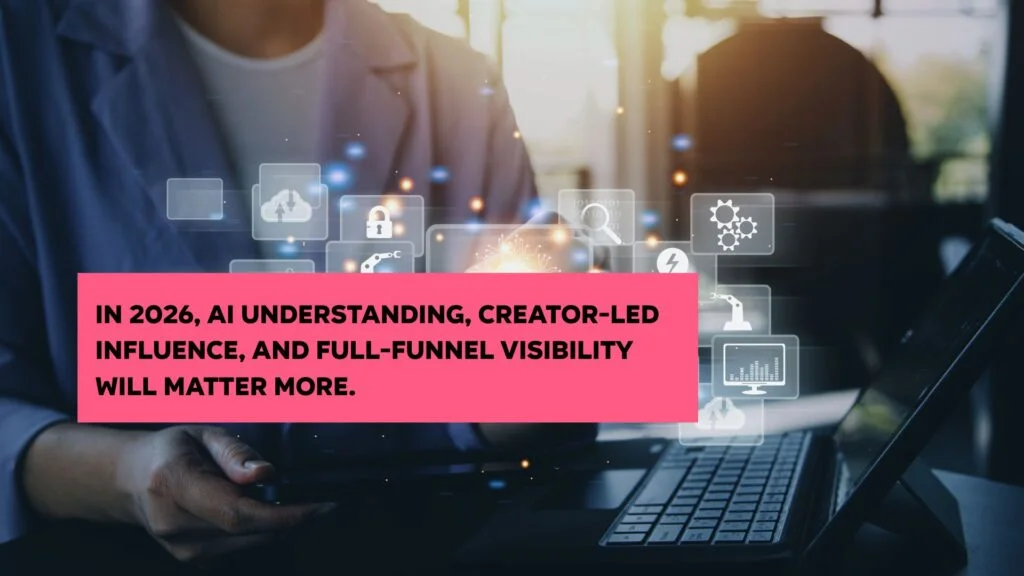
AI isn't just a component of digital marketing anymore; it's the engine. Over 80% of industry professionals plan to integrate AI solutions by 2027 to optimize performance and improve customer experiences (Source 1). In fact, 88% of marketers had already incorporated AI into their daily work by 2025, with 85% planning to significantly increase its usage through 2026 (Source 25).
This widespread adoption means AI now orchestrates entire campaigns. It handles everything from discovering the perfect audience and testing creative variations to deploying across multiple channels and optimizing in real time. The results speak for themselves: AI-optimized campaigns deliver 20-30% higher ROI compared to traditional methods (Source 27).
One of the most significant areas transformed by AI is programmatic advertising. In 2026, a staggering 91.5% of all digital display ads are transacted programmatically (Source 7). The global programmatic advertising market is estimated to reach $725 billion this year, an 18% increase over 2025 (Source 6). Real-time bidding (RTB), a core part of programmatic, is growing at a CAGR of 25.2%, projected to hit USD 26.32 billion in 2026 (Source 3). The IAB Tech Lab's Agentic RTB Framework (ARTF), with its planned 2026 rollout, is pushing this even further. It aims for AI agent-driven autonomous optimization in programmatic auctions, potentially reducing auction latency by up to 80% (Source 28). This means faster, smarter, and more efficient ad buying than ever before.
The Privacy Paradox: First-Party Data is Your Gold
While AI drives efficiency, strict data privacy regulations are reshaping how we gather and use information. Laws like GDPR, CCPA, CPRA, and the EU 2026 privacy and data rules demand explicit user consent and strict rules for data distribution (Source 19). European regulators issued over €1.2 billion in GDPR fines in 2025 alone, highlighting the serious implications of non-compliance (Source 19).
This regulatory environment has significantly reduced the effectiveness of third-party data and tracking, with research showing privacy regulations have cut audience targeting effectiveness by over 60% (Source 19). The cookieless future is here, and it's forcing marketers to pivot. The solution? A renewed focus on first-party data strategies.
Businesses must build transparent data ecosystems. This means obtaining direct user consent and offering clear value in exchange for data. Contextual targeting is also making a strong comeback as privacy rules tighten. For platforms like TashiOS which helps you build online businesses, this means prioritizing secure and compliant data collection methods from the start. It's about building trust and offering real value, not just collecting data.
Beyond Ads: Hyper-Personalization and Immersive Experiences
Personalization is no longer just about addressing customers by name. It's evolved into hyper-personalization, driven by sophisticated AI that understands context and individual intent. AI analyzes browsing behavior, purchase history, location data, and engagement patterns to create truly individualized experiences (Source 17).
Imagine website layouts that adapt to a user's preferences, dynamic product recommendations that feel prescient, and email sequences that resonate deeply. This approach significantly boosts conversion rates and customer satisfaction. Even ad creatives are becoming tailored, with 46% of marketers now using AI for creative scale (Source 18).
Beyond traditional channels, immersive experiences are gaining traction. Augmented Reality (AR) and Virtual Reality (VR) ads are becoming commercially useful, offering new levels of user engagement (Source 16). Interactive content, such as quizzes, ROI calculators, assessments, and interactive infographics, is proving highly effective for generating more qualified leads and increasing engagement (Source 16). Meta, for example, rolled out Live Video Ads in June 2026, allowing brands to run interactive ad units during live broadcasts, creating more dynamic and engaging consumer interactions (Source 28).
The E-commerce Explosion and Mobile Dominance
The growth of e-commerce continues its relentless ascent. Global e-commerce sales are forecast to reach $6.88 trillion in 2026, accounting for 21.1% of all retail sales (Source 13). The global e-commerce market size is expected to hit USD 39,696.3 billion this year (Source 14). In Q1 2026, U.S. e-commerce sales alone reached $326.7 billion, a 9.8% increase year over year, making up 16.9% of total U.S. retail sales (Source 13).
This monumental growth is inextricably linked to mobile devices. As of July 2025, 64.35% of global web traffic originated from mobile (Source 15). This means optimizing for mobile-first experiences isn't optional; it's essential. Fast loading times, intuitive navigation, and responsive designs are critical for capturing and retaining mobile users.
For businesses looking to launch online, platforms like TashiOS are crucial. They allow you to build responsive websites and online stores with no code, ensuring you can quickly adapt to these mobile-first e-commerce trends and capture your share of the rapidly expanding market.
Marketing Roles Evolve: Humans and AI, a New Partnership
The rise of AI has sparked many conversations about the future of marketing jobs. Experts agree that AI isn't replacing digital marketers wholesale. Instead, it's reshaping the skills needed to succeed (Source 10). Roles are shifting from manual execution to managing, optimizing, and improving AI-driven systems. Strategic thinking, data literacy, and creativity are becoming paramount (Source 10).
AI automates repetitive tasks like bidding, budget allocation in paid media, and content creation (drafts, headlines). This frees up human marketers to focus on higher-level strategy, data interpretation, and creative differentiation. While AI can draft social media captions or blog ideas, human judgment is essential to avoid the "sameness" that 86% of marketers have observed in AI outputs resembling competitor content (Source 18).
New roles are emerging, and marketers skilled in AI tools, data analytics, and prompt engineering are in high demand (Source 23). While digital marketing jobs are forecast to increase by 10% by 2026, faster than the general labor market (Source 24), entry-level positions are becoming harder to break into. One in three companies is reducing entry-level hiring due to AI automating tasks like bulk content production and basic social scheduling (Source 10).
What's Next? Bold Predictions for Digital Marketing's Future
The digital marketing landscape in 2026 is dynamic, to say the least. Here are some bold predictions for what's next:
- AI Will Drive True Predictive Marketing: Beyond mere personalization, AI will enable truly predictive marketing. It will anticipate customer needs and even emotional states before they materialize, allowing brands to deliver proactive solutions and experiences.
- First-Party Data Will Become a Major Competitive Moat: Companies with robust, ethical first-party data strategies will gain an insurmountable advantage. They'll have a deeper understanding of their customers, leading to more effective campaigns and stronger loyalty in a privacy-centric world.
- The Rise of the AI Marketing Agent: We'll see the widespread adoption of specialized AI agents that can autonomously manage entire campaign verticals, from ideation to optimization, with minimal human oversight. Marketers will become "AI conductors."
- Immersive Commerce Becomes Mainstream: AR/VR experiences won't just be for ads; they'll become integral to the shopping journey. Virtual try-ons, interactive product demonstrations, and metaverse storefronts will be common, blurring the lines between physical and digital retail.
- Ethical AI and Sustainability Will Be Non-Negotiable: Consumers are increasingly demanding transparency and social responsibility (Source 22). Brands that prioritize ethical AI practices, data privacy, and environmental sustainability will win market share and build deeper trust.
The digital marketing world is transforming at an incredible pace. It's a challenging yet exciting time for businesses and marketers alike. Adapting to these changes, embracing AI, and prioritizing ethical practices will be key to success.
Ready to build your online business and thrive in this AI-driven era? TashiOS empowers you to describe your ideas in plain English and instantly build real apps, websites, online stores, and Android apps, all without code. Start free with AI credits today and turn your vision into reality.